The Living Tapestry of Mulia Bali
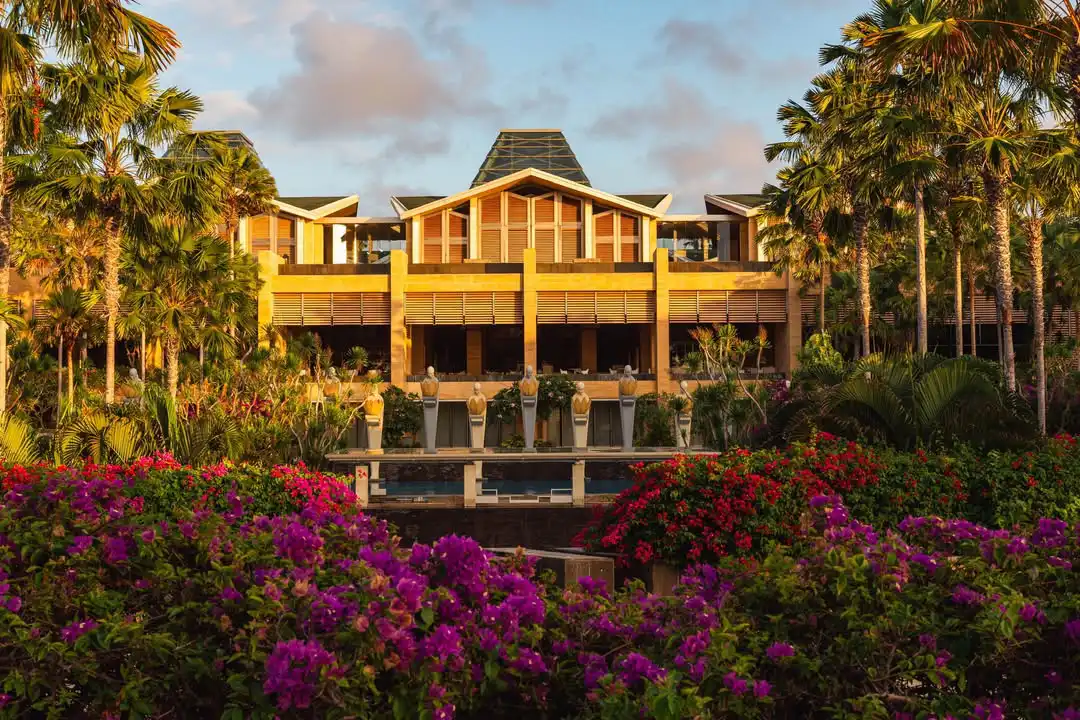
A Sanctuary Designed by Nature, Not Decorated With It
At Mulia Bali, nature is more than scenery — it is the architecture of serenity. Every plant, from towering breadfruit trees to the humblest wildflowers, is chosen with intention: to cool the air, soften the light, and restore balance. Palms sway with the ocean breeze, bougainvillea cascades like living art, and tropical gardens guide guests gently from vibrance to stillness. Sustainably curated and deeply connected to Bali’s soul, the landscape forms a living tapestry where luxury and nature exist in perfect harmony.
At Mulia Bali, nature is not decoration — it is design.
Every tree, leaf, and bloom across the resort has been chosen with purpose: to shape shade, scent, and silence; to frame the horizon without ever intruding upon it. Together, they form a living tapestry that mirrors the island’s soul — lush, spiritual, and deeply restorative.
The Canopy of Giants
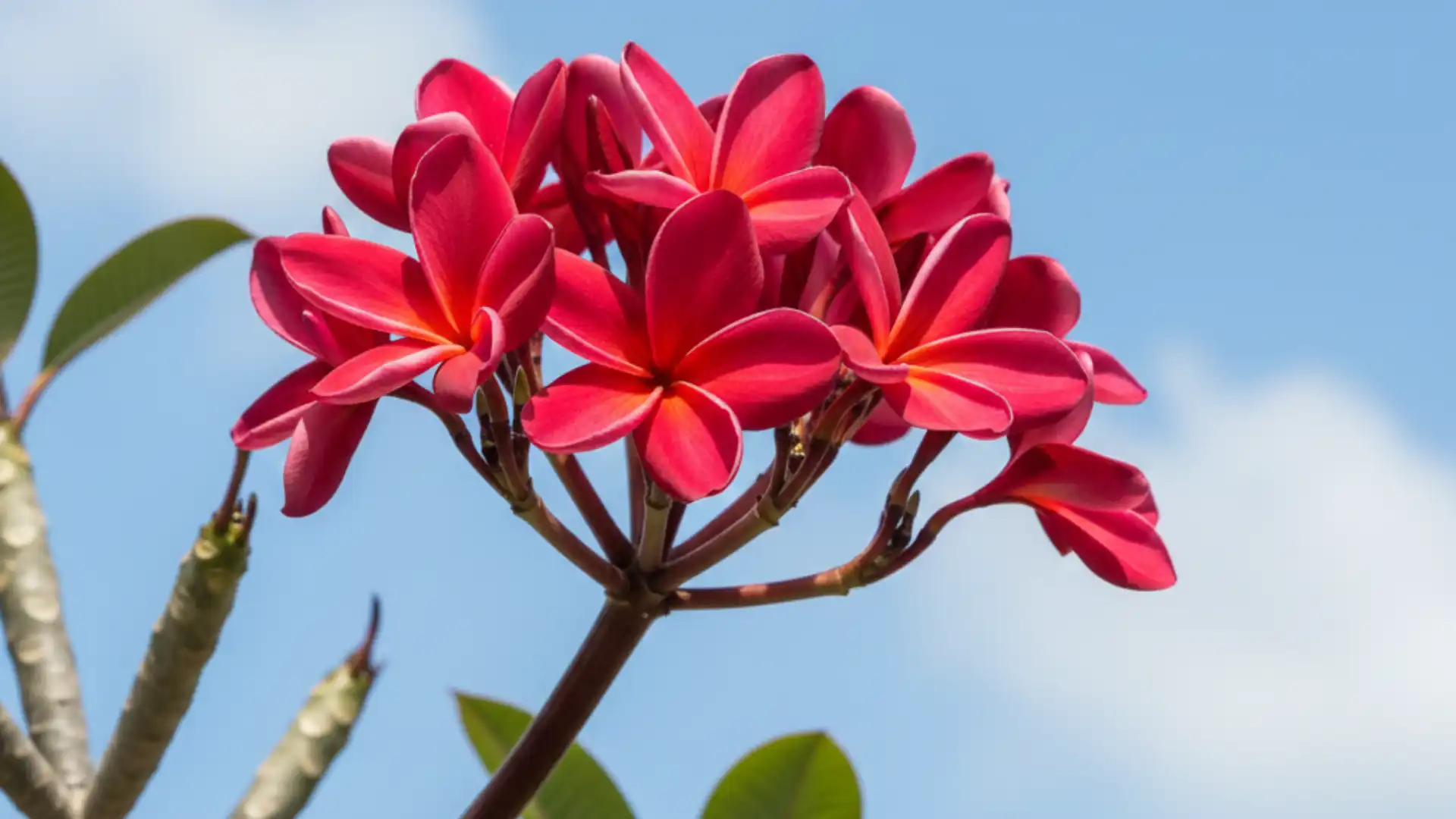
Throughout the resort, towering tropical trees create a natural canopy that cools the air and softens the light.
Among them, the breadfruit and Indian almond trees stand tall, their broad crowns sheltering quiet pathways below. The frangipani, with its sculptural branches and soft white blooms, fills the air with the unmistakable scent of Bali — serenity itself.
Nearby, the traveller’s palm, with its striking fan-shaped leaves, seems to greet the sun each morning, embodying the spirit of grace and exploration that flows through the resort.
The Elegance of Palms

Palms are the quiet pillars of Mulia’s landscape — elegant silhouettes that frame courtyards and pools.
From the slender Carpentaria palms to the familiar coconut palms, each has been planted to move in rhythm with the ocean breeze. The distinctive lipstick palm, with its red crownshaft, adds a subtle touch of vibrancy against the neutral tones of stone and sand — a living accent of tropical artistry.
The Gardens That Guard Serenity
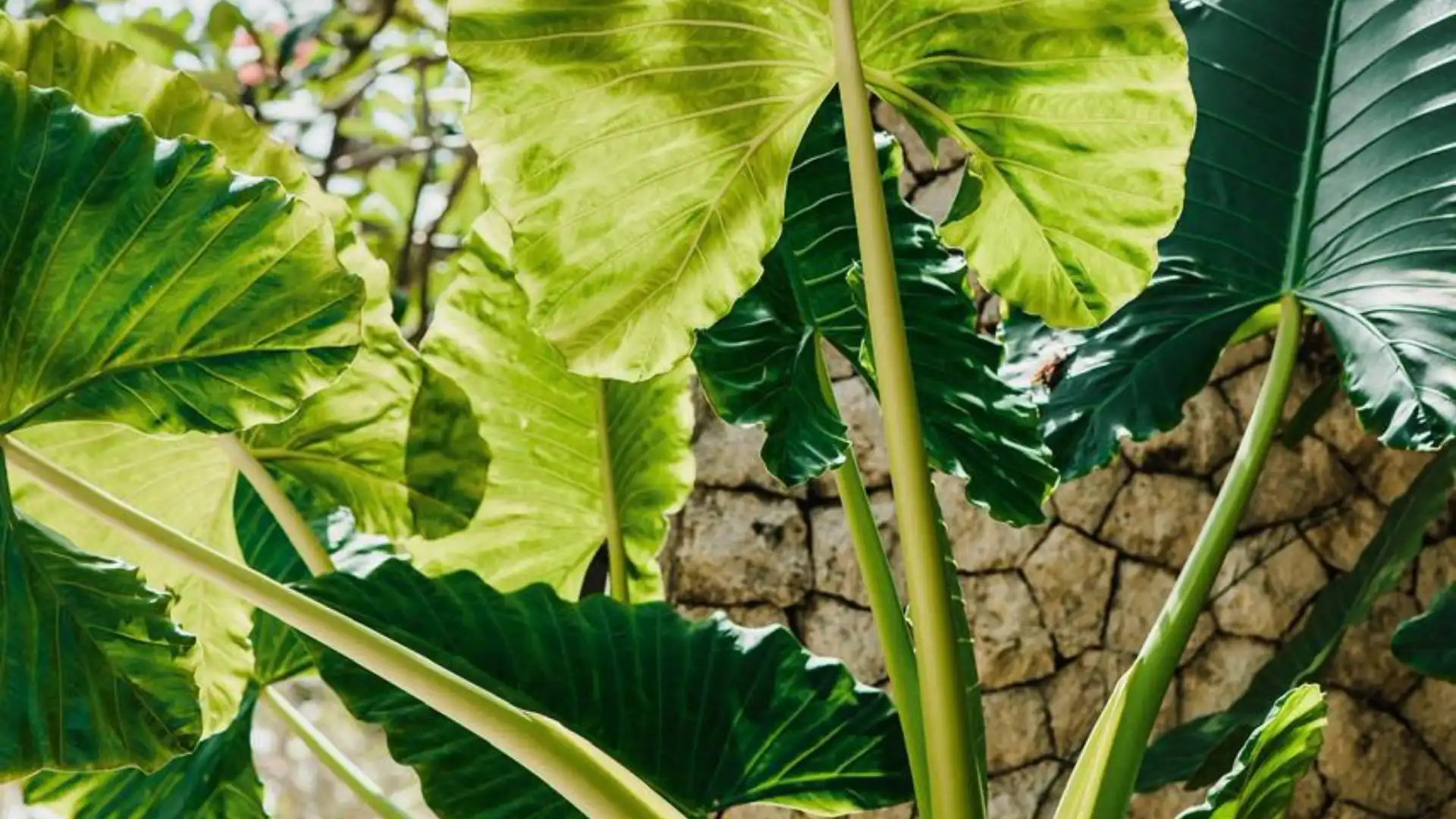
Along shaded walkways, layers of hibiscus, ginger lilies, and heliconia form a lush natural screen — a composition designed for calm. The ti plants bring energy and renewal with their deep crimson leaves, while elephant ear plants and philodendrons unfold into soft green sculptures.
Together they create a rhythm of textures and colours that guide guests gently from open sunlight to quiet retreat — echoing the island’s own balance between energy and peace.
The Ground Beneath Our Feet
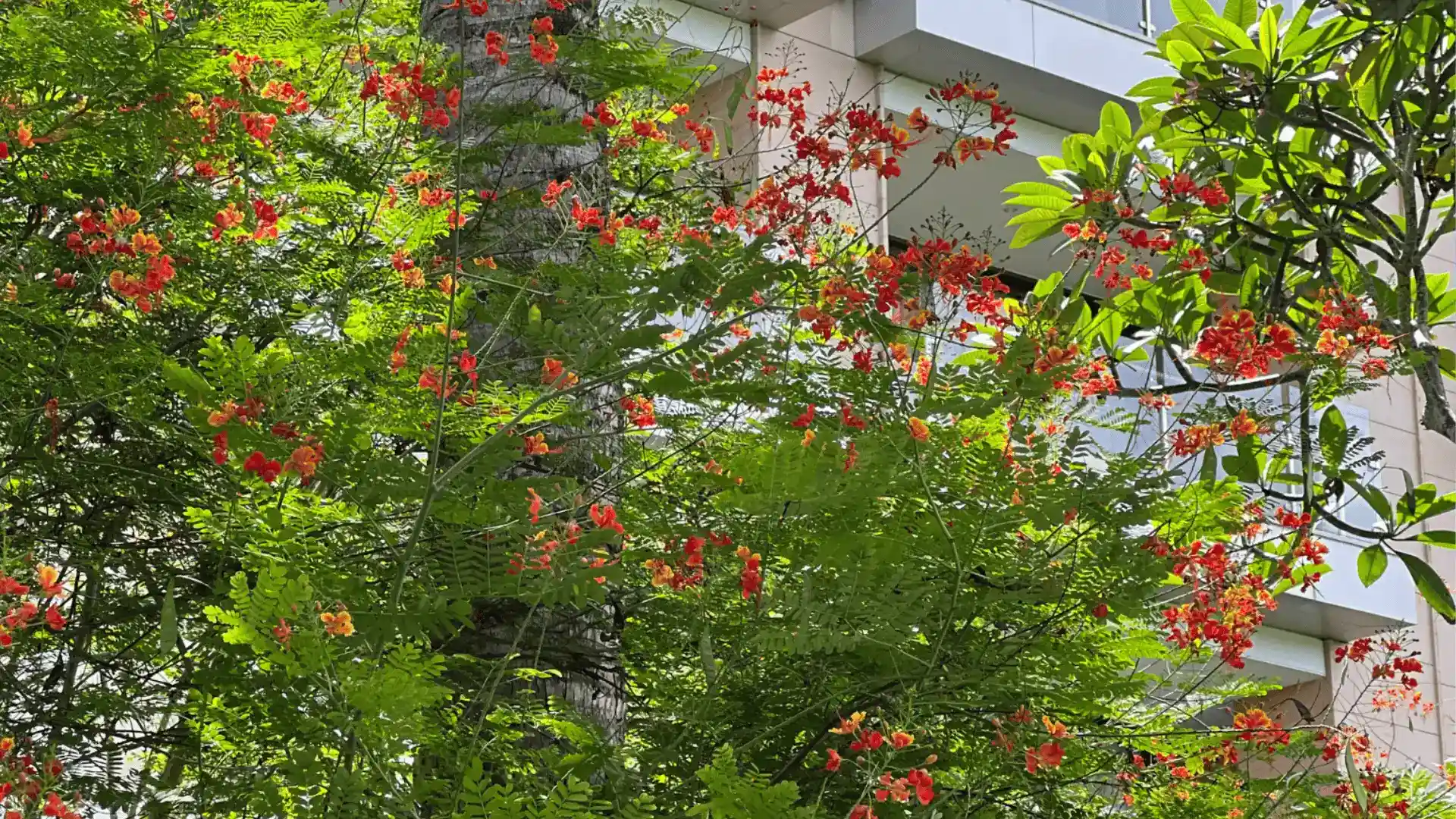
Even the smallest plants have a purpose. The beach morning glory, with its purple blooms, strengthens the dunes near the shore, while the spider lily and dayflower lend gentle colour to the garden beds.
These low-growing species weave a living carpet that holds the landscape together — unseen by most, yet vital to the resort’s harmony.
The Accents and Climbers
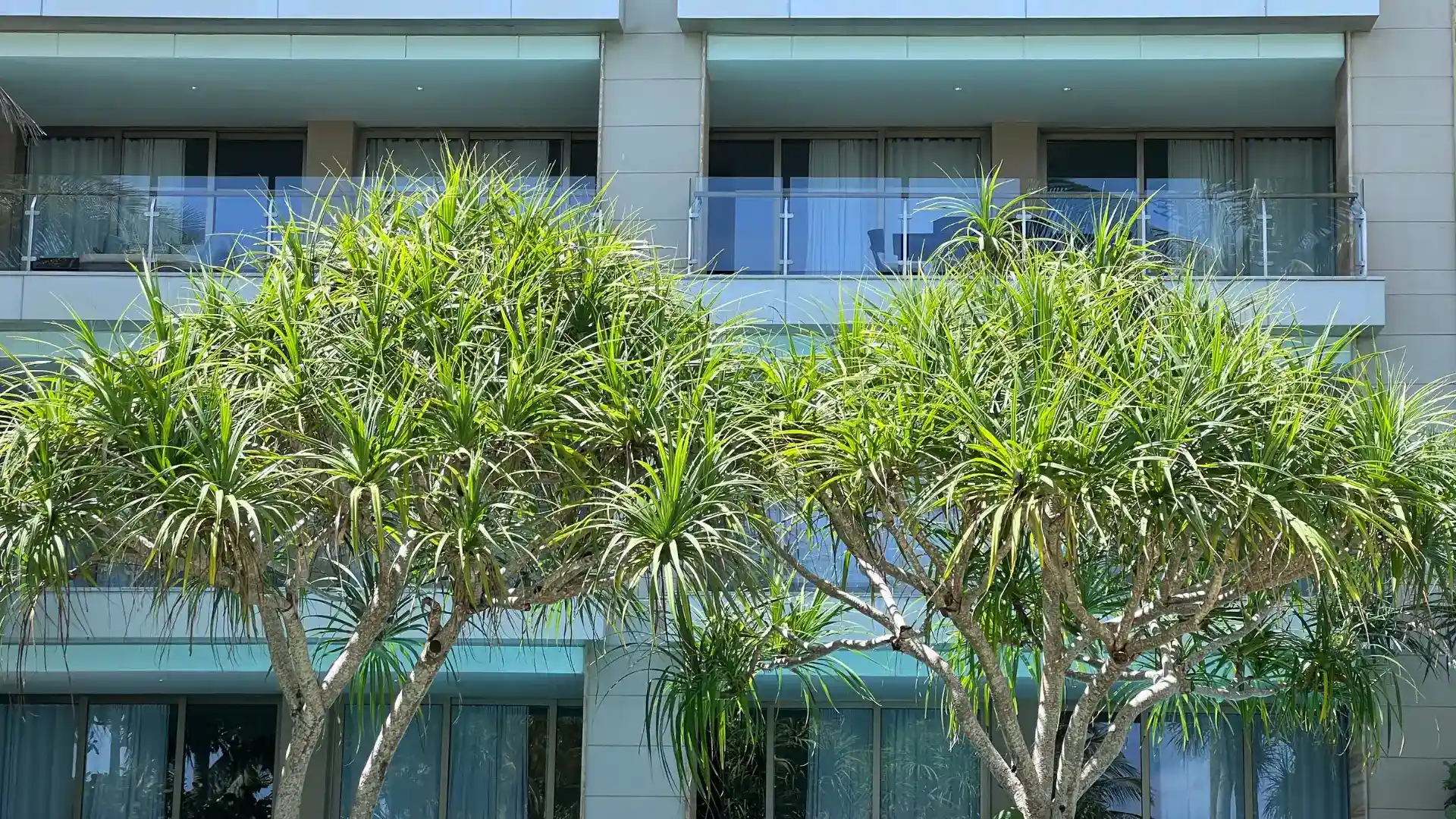
Sculptural forms such as the dragon tree, pandanus, and agave bring structure and rhythm to the open spaces. Along the walls, cascades of bougainvillea in shades of red, orange, and violet bloom in soft profusion — a painter’s palette that shifts subtly with the light.
Each corner of the garden feels alive — expressive yet balanced, refined yet free.
The Lawns of Light
Beneath it all lies a velvety carpet of tropical grass, selected for resilience and softness. These lawns invite guests to walk barefoot, to reconnect with the earth, and to feel the day slow down.
By day they absorb warmth, by night they release cool comfort — the very rhythm of Bali captured underfoot.
A Garden in Harmony with Nature
Every plant at Mulia Bali — from the banyan and breadfruit trees to the smallest wildflower — has been chosen not only for beauty, but for harmony with the island itself. The gardens are composed primarily of tropical and coastal species naturally suited to Bali’s climate, requiring minimal irrigation once established.
This thoughtful selection allows the resort to maintain its lush greenery responsibly, conserving water while preserving the serenity that defines its sense of place.
Here, sustainability is not a statement, but a quiet practice — one that lets nature flourish as it was meant to.